Malik Abdul Jabbar
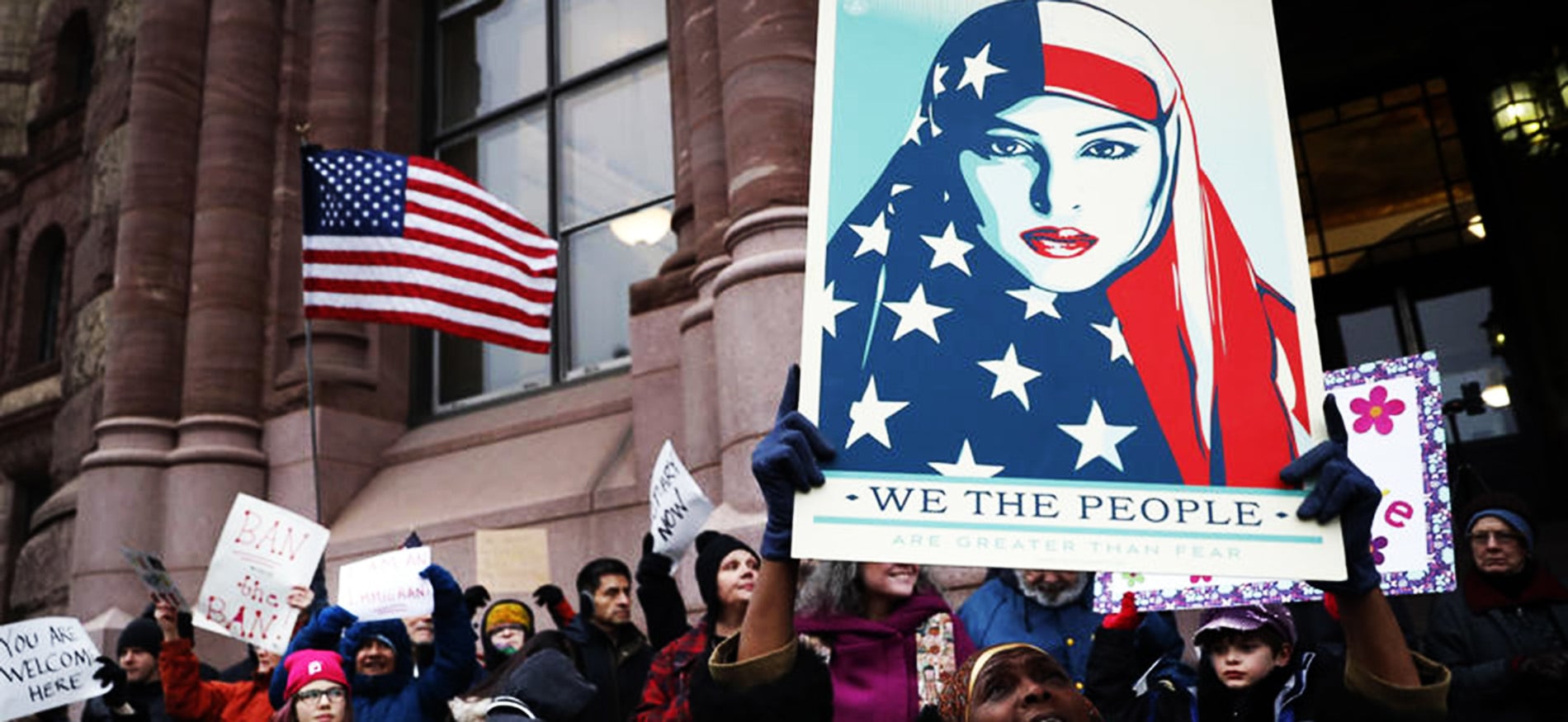
Washington(newsviews) Muslim and Arab Americans are seeking a greater political voice in the Nov 3 midterm elections, with candidates contesting congressional, state legislative and local offices across the US amid growing debate over American policy in the Middle East.
The wars in Gaza and Iran have intensified questions about US military support for Israel, American intervention abroad and overseas military spending, issues that could influence voters beyond Muslim and Arab American communities.
On Oct 30, the Council on American-Islamic Relations (CAIR), the country’s largest Muslim advocacy group, said the midterm elections presented the community with “both unprecedented stakes and unprecedented capacity”. It estimated that eight million Muslims live in the US, with over 2.5 million registered voters concentrated in 12 states that could determine Congress control.
Muslim Network TV has identified 51 Muslim Americans contesting elections in about 23 states, including one Senate and 10 congressional candidates. However, some media reports put the number at more than 100.
One of the most closely watched contests is Michigan’s Senate race, where Democrat Abdul El-Sayed is seeking to become the first Muslim elected to the US Senate.
Late-October polling suggests El-Sayed has support beyond Muslim and Arab American voters, with an aggregation of statewide surveys showing him leading Republican Mike Rogers by 49.2 to 44.5pc. His backing is particularly strong among Muslim and Arab voters. A survey of 413 likely voters from these communities, conducted by Change Research for the New Arc Collective between Oct 16 and 23, gave him a 77pc lead.
The survey found that 51pc identified affordability and the economy as their leading concern; 45pc cited the Israel-Palestine conflict.
El-Sayed has also faced attacks over his faith. At a Michigan rally, President Trump called him a “jihadist Muslim Brotherhood member” and suggested he should not be allowed into the Senate.
Responding to attacks on Muslim Americans’ place in the country, El-Sayed said: “They want to tell us that this country is not ours. They want to tell us that because of our names and how we pray, somehow we are less than them.”
A CAIR survey of 861 Muslim respondents, released on Oct 28, found that 81pc intended to vote in the midterms. Cost of living was a leading concern for 63pc, while 89pc said a candidate’s position on Gaza was very or extremely important to their vote.
Minnesota Congresswoman Ilhan Omar, seeking re-election, has also faced repeated attacks from Trump, who has questioned her patriotism and revived allegations about her immigration history. Omar has described the administration’s actions as political intimidation, declaring: “I will not be silenced.”
Michigan Congresswoman Rashida Tlaib, also seeking re-election, has called for a complete arms embargo against Israel, arguing that US military assistance enables abuses against Palestinians. Others maintain that military aid is essential to Israel’s security and American strategic interests.
Beyond Congress, Muslim and Arab American candidates are contesting state and local positions that influence policies on education, healthcare, housing, employment, public safety and civil rights.
CAIR announced a final get-out-the-vote campaign on Oct 29, using advertisements and text messages to mobilise more than one million Muslim American voters.
However, Muslim Americans do not constitute a single voting bloc. Their party affiliations and views on domestic and foreign policy vary, while Arab Americans come from diverse religious backgrounds.
The elections will determine control of the House of Representatives and influence the balance of power in the Senate, shaping congressional oversight, military funding and the administration’s room for manoeuvre.
The central question is whether candidates will be judged by their policies and records rather than their religion or ethnic background.