Malik Abdul Jabbar
Peshawar (newsviews) The cases of dengue fever continued to rise in Khyber Pakhtunkhwa during October, the peak month for infection, with the provincial tally reaching 4,856 after 51 new cases were reported on Sunday.
The latest dengue situation report, released by Integrated Diseases Surveillance and Response System (IDSRS) at Directorate General Health Services of Khyber Pakhtunkhwa, shows that 2,244 cases have been reported during the current month.
Kohat has reported 2,822 dengue cases, the highest number of infections registered by any district, followed by Peshawar with 611 cases, Khyber with 430, Bannu with 192, Haripur with 133, Abbottabad with 89, Charsadda with 88, Mansehra with 68, Karak with 57 and Nowshera with five cases.
All other districts of Khyber Pakhtunkhwa, except Shangla, Torghar, Lower South Waziristan, Lower Kohistan, Kolai Palas, Kurram and Upper Dir, have reported single digit case counts of the infection.
KP registers 4,856 infections while Kohat remains the most affected district
Kohat remains the main cause of concern for health experts and other workers engaged in anti-dengue efforts as it has recorded 1,230 cases during October alone. Khyber ranks second with 329 dengue cases, reported this month.
According to the IDSRS report, currently there are 199 active cases in the province, with none requiring hospitalisation. One person, a resident of Tank, has died of the disease in Dera Ismail Khan. It said that 4,656 patients had recovered while other infected people were being managed through home isolation.
Health officials said that October had traditionally been the most infectious period of the year as the highest number of dengue cases were reported during that month. Cases usually begin to decline in November as temperatures drop, creating less favourable conditions for the survival and breeding of mosquitoes that transmit the disease.
Kohat has emerged as another major dengue hotspot this year, following previous outbreaks of the ailment witnessed in Peshawar and Charsadda.
Last year, Charsadda reported more than 1,000 cases, surpassing Peshawar because of an outbreak of the infection in its three union councils. This year, Kohat has recorded the highest number of infections, despite the health department having warned of the outbreak several months ago.
The health department had asked the Kohat district administration to level the ground at demolished refugee camps and fill ditches to eliminate mosquito breeding sites, particularly pools of stagnant water. However, the recommended measures were not implemented and cases continued to emerge, particularly in the areas surrounding the sites identified by health officials.
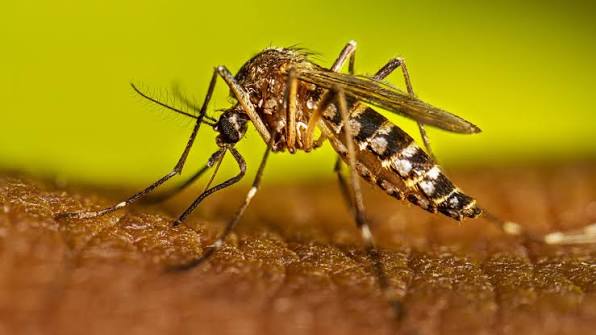
Dengue has been a recurring public health challenge in Khyber Pakhtunkhwa since 2012, as the mosquito population has continued to thrive under favourable environmental conditions. The disease typically begins to spread in April, peaks in September and October, and declines in November.
The health department begins preparations for the following year by training doctors, lady health workers and municipal staff to strengthen mosquito-control efforts under the Dengue Action Plan. The plan seeks to adopt an integrated approach for prevention of the disease, control and patient management in collaboration with 19 line departments.
Officials said that dengue prevention required a combination of measures, with environmental management given priority because it was considered a safe and sustainable approach that posed minimal risks to human health.
They stressed the need for raising public awareness about the dangers of storing water in uncovered containers, air-coolers and flowerpots, all of which could provide breeding grounds to mosquitoes.
According to officials, community awareness and the elimination of mosquito breeding sites are preferable to excessive reliance on larvicides, insecticides and other biological control methods, which may pose health risks if used improperly.
They also warned that excessive spraying could endanger human health. They said that several countries had successfully controlled dengue through preventive strategies.