Malik Abdul Jabbar
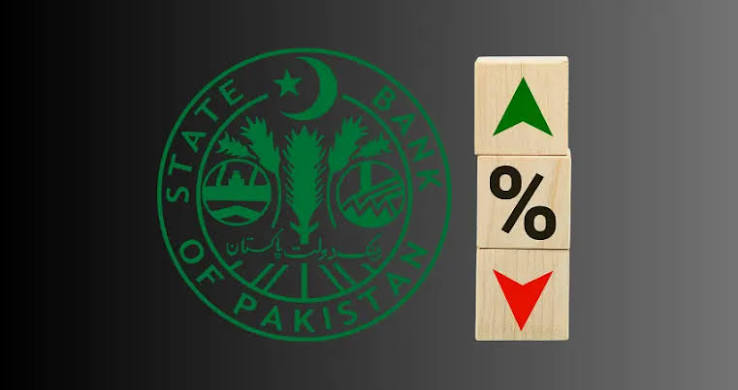
Karachi(newsviews) Foreign investors welcomed the State Bank of Pakistan’s (SBP) 50bps rate hike to 12 per cent on Monday, but the business community called it counterproductive for stabilisation, industrial growth and export competitiveness.
M. Abdul Aleem, Secretary General of the Overseas Investors Chamber of Commerce and Industry, acknowledged the SBP’s move, saying it was needed to contain inflationary pressure and safeguard macroeconomic stability amid global energy price risks.
However, with large-scale manufacturing growth recovering to 1.9pc in July-August FY26 and private-sector credit expanding 14.1pc year-on-year, it is equally important to sustain the emerging momentum in investment and economic activity, he said.
As inflationary pressures are significantly influenced by external energy prices and domestic supply constraints, he emphasised that monetary tightening must be complemented by targeted supply-side reforms, fiscal discipline, competitive energy tariffs, broader tax-base coverage and predictable taxation and regulatory policies.
Foreign investors back SBP’s move to curb inflation, while industry says it will hurt exports and growth
In contrast, FPCCI President Atif Ikram Sheikh said raising the policy rate to an uncompetitive 12pc would further inflate borrowing costs for manufacturers already grappling with unprecedented high overheads, soaring utility tariffs and liquidity constraints.
Instead of curbing inflation — driven largely by supply-side bottlenecks, energy costs and fiscal anomalies rather than excess demand — tight monetary policy has crippled domestic manufacturing, he said, urging the government and the State Bank to recalibrate the framework and bring the policy rate to single digits to make credit affordable for trade, SMEs and large-scale manufacturing.
High interest rates also place an unmanageable debt-servicing burden on the exchequer and private borrowers, creating a cycle of fiscal distress and stagnant output, he said, asking the SBP to align rates with regional benchmarks.
KCCI President Talat Mahmood warned that the hike would further raise the cost of doing business, discourage private-sector investment and undermine growth. He said Pakistan needs to strengthen its productive capacity, attract investment, generate employment and accelerate export-led growth but the policy rate hike will send the wrong signal to businesses planning to invest and expand.
SITE Association of Industry President Abdul Hadi said the move would further aggravate industry problems at a time when factories are operating far below capacity and barely surviving.
The business community has long demanded a single-digit policy rate, but industry’s real problems have again been ignored, he said, adding that high rates will not only make fresh funding harder but also increase the burden on existing loans.
He said the rate hike would burden manufacturers, forcing formal businesses to shut down or scale back, as costlier borrowing would hit new investment, expansion and production.
Korangi Association of Trade & Industry President Sheikh Umer Rehan said the hike could hurt industry, business growth, and recovery, adding that inflation could also be curbed by cutting energy costs, fixing taxation, improving the business climate, and implementing effective industrial policies.
Pakistan Textile Exporters Association Chairman Rehan Naseem Bharara said the rate hike would raise working-capital costs, constrain investment and weaken global competitiveness at a time when industry is already grappling with expensive energy and financing.