Malik Abdul Jabbar
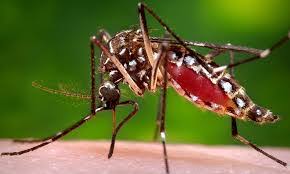
Charsadda(newsviews) As many as 104 confirmed dengue cases had been reported in Charsadda district as of November 6, 2026, including 37 locally transmitted infections, according to statistics released by the district health officer (DHO).
The data showed that 67 patients had a history of travel outside the district, with Peshawar accounting for the highest number of cases at 48. Other travel-linked cases included five from Kohat, four from Karachi, three from Punjab and two from Mardan. One case each was reported among patients arriving from Swabi, Haripur, Rawalpindi, Lakki Marwat and Nowshera.
According to union council-wise breakdown, Umarzai and Utmanzai topped the list with eight cases each, followed by Agra with seven.
Sheikhu, Tangi Municipal Committee, Hisara Yasinzai, Tarnab and Charsadda Municipal Committee No. 4 reported five cases each, while Charsadda Municipal Committee No. 2 recorded four infections.
Batagram, Sherpao, Sarki Tatara, Ghunda Karkana and Hajizai reported three cases each. Two cases each were recorded in Katozai, Daman Shabqadar, Dheri Zardad, Panchpao, Shabqadar Municipal Committee No. 1, Koz Bahram Dheri, Khanmahi, Dhakki, Mirza Dher and Shabqadar Municipal Committee No. 3, said the report.
One case each was reported from Shabqadar Municipal Committee No. 2, Harichand, Daulatpura, Mera Prang, Mandani, Charsadda Municipal Committee No. 3, Matta Mughalkhel, Bahlola, Hisara Nehrai, Rajjar No. 2, Dargai and Abazai.
The report further revealed that malaria tests of 97 dengue patients returned negative results, while seven tested positive for malaria, indicating co-infection in these cases.
Regarding the patients’ health status, 81 had recovered, while 22 were receiving treatment at home and one remained hospitalised at the time of the report.
On November 6, health teams screened 74 people for dengue, but no new cases were detected.
The emergence of 37 locally acquired cases has raised concerns about the possibility of local transmission of the mosquito-borne disease, highlighting the need for intensified surveillance and preventive measures across the district.
Health experts stress that eliminating stagnant water, maintaining cleanliness, covering water storage containers, identifying mosquito breeding sites and destroying larvae are essential to controlling the spread of dengue. They also called for targeted fumigation and intensified preventive campaigns in areas reporting a higher number of infections.
LIFTING OF BAN ON FERTILISER HAILED: Qaumi Watan Party (QWP) provincial chairman Sikandar Hayat Khan Sherpao has welcomed the government’s decision of lifting the ban on the sale, purchase and transportation of fertiliser, describing it as a positive development for the farming community.
In a statement issued to the media, he said the removal of restrictions would help facilitate farmers. However, he stressed that the government must take further practical measures to address the difficulties faced by the farming community.
Mr Sherpao said agriculture was the backbone of the country’s economy and a major source of livelihood for millions of people. He urged the government to make the agricultural sector one of its top priorities and introduce effective policies to protect farmers’ interests.
The QWP provincial chairman also urged authorities to strictly monitor fertiliser markets to prevent artificial shortages, hoarding and overpricing. He stressed that farmers must be able to purchase fertilisers at officially notified rates without facing unnecessary hurdles or difficulties.