Malik Abdul Jabbar
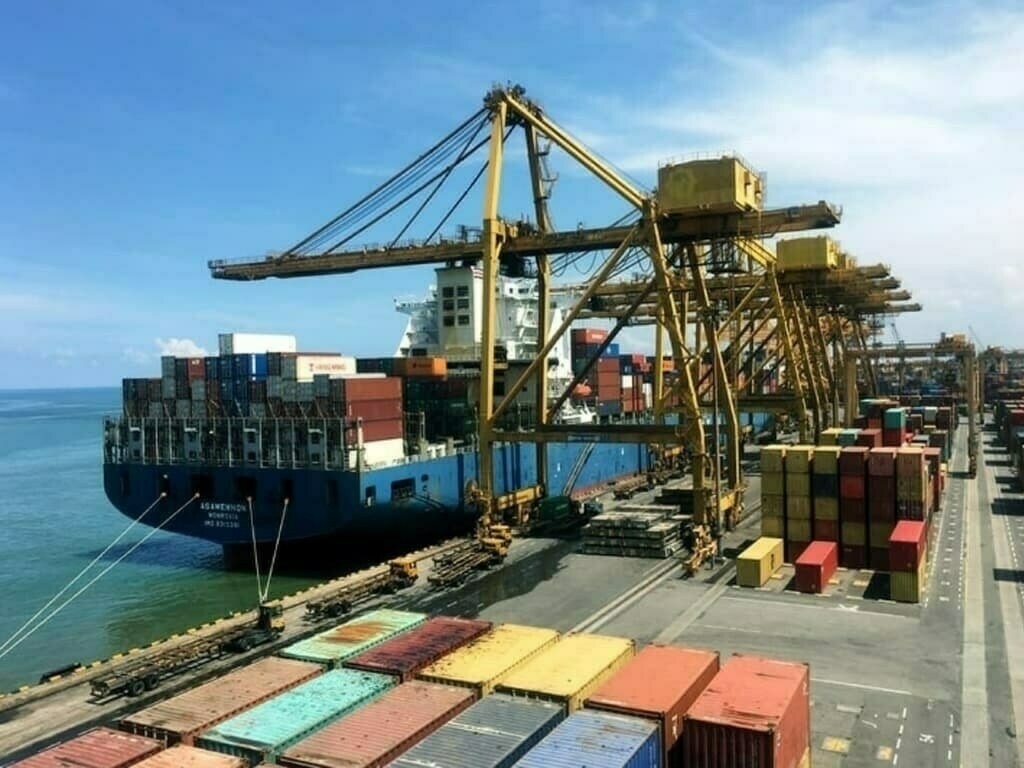
Islamabad(newsviews) The Karachi Port Trust (KPT) has simultaneously handled two foreign bulk carriers carrying a combined 101,000 tonnes of diammonium phosphate (DAP) fertiliser and wheat.
Announcing the development on Sunday, Federal Minister for Maritime Affairs Muhammad Junaid Anwar Chaudhry said the concurrent unloading of the vessels underscored the port’s enhanced capacity to manage critical agricultural inputs and essential commodities efficiently.
The minister commended KPT engineers, port operators, pilots, the terminal operator, dockworkers and transporters for handling the vessels and maintaining cargo discharge operations.
He said the timely handling of essential imports was important for supporting agricultural production and ensuring food security.
The two vessels, MV ZHONG CHANG 538 and MV GOKOVA M, carrying 50,000 tonnes of DAP fertiliser and 51,000 tonnes of wheat, respectively, were berthed at Karachi Gateway Terminal Multipurpose.
Two vessels bring 50,000 tonnes of DAP fertiliser and 51,000 tonnes of wheat
Mr Chaudhry said the simultaneous handling of the vessels reflected KPT’s operational capacity and its efforts to improve berth utilisation, cargo-handling efficiency and supply chain performance.
‘Pursuing reforms’
He said the Ministry of Maritime Affairs was pursuing reforms to reduce vessel turnaround times, improve port management and strengthen maritime infrastructure to facilitate international trade and ensure an uninterrupted supply of essential commodities.
“Efficient port operations and streamlined logistics are essential for ensuring the timely movement of critical commodities and strengthening supply chains,” he added.
KPT Chairman retired Rear Admiral Shahid Ahmed said Karachi Port played a vital role in the country’s trade and supply chain network, particularly in facilitating imports of agricultural inputs and essential food commodities. He added that the vessels had been given priority berthing on the government’s directives.
He said the port authority was committed to modernising infrastructure and improving operational efficiency.